Windows work hard in Colorado. Intense high-altitude sun, big temperature swings between day and night, dry air and the occasional hailstorm all wear down glass, seals and frames. Replacing windows is a significant investment, so it helps to know when it is truly time and when a repair will do.
Here are the most common signs that your windows have reached the end of their useful life.
1. Drafts Around the Frame or Sash
If you can feel moving air near a closed window on a cold day, or curtains move on their own, air is leaking past worn weatherstripping, failed caulk or a frame that no longer seals. Fresh caulk can help minor gaps, but persistent drafts usually point to replacement.
2. Fog or Condensation Between the Panes
Double-pane windows are sealed units filled with air or an insulating gas. When the seal fails, moisture gets between the panes and leaves a cloudy haze you cannot wipe away. The insulating value drops, and the glass unit or the whole window needs replacing.
3. Windows That Stick, Will Not Lock or Will Not Stay Open
Warped frames, worn balances and broken hardware make windows hard to operate. Beyond the frustration, a window that will not lock is a security issue, and one that will not open is a safety issue in an emergency.
4. Rot, Cracks or Soft Spots in the Frame
Wood frames that feel soft, show peeling paint over damaged wood or let water in around the sill have deteriorated. Water that gets past the window can damage the wall below, so do not ignore staining on interior drywall under a window.
5. Rising Heating and Cooling Bills
Old single-pane or failing windows let heat escape in winter and pour heat in during summer. If your energy use keeps climbing without another explanation, windows are a likely culprit.
6. Sun-Faded Floors and Furniture
Denver’s altitude means stronger UV exposure. Modern windows with low-E coatings reduce the UV and heat that fade flooring, cabinets and furniture. Faded finishes near windows are a hint that the glass is not doing much to filter the sun.
7. Hail or Impact Damage
Cracked glass, dented frames and damaged screens after a storm are reasons to replace affected windows. Check your homeowner’s insurance, since storm damage may be covered.
8. Outdated Single-Pane Windows
Many older homes in Denver, Westminster, Thornton and Boulder still have original single-pane or early aluminum windows. Even if they still open and close, they lag far behind modern insulated windows in comfort and efficiency.
What to Look for in Replacement Windows
- ENERGY STAR certification for the climate zone where you live.
- U-factor: lower numbers mean better insulation.
- Solar Heat Gain Coefficient (SHGC): how much solar heat passes through; south- and west-facing rooms often benefit from a lower number.
- Low-E coatings to cut UV and heat transfer.
- Quality installation: even the best window underperforms if it is not properly sealed and flashed.
Repair or Replace?
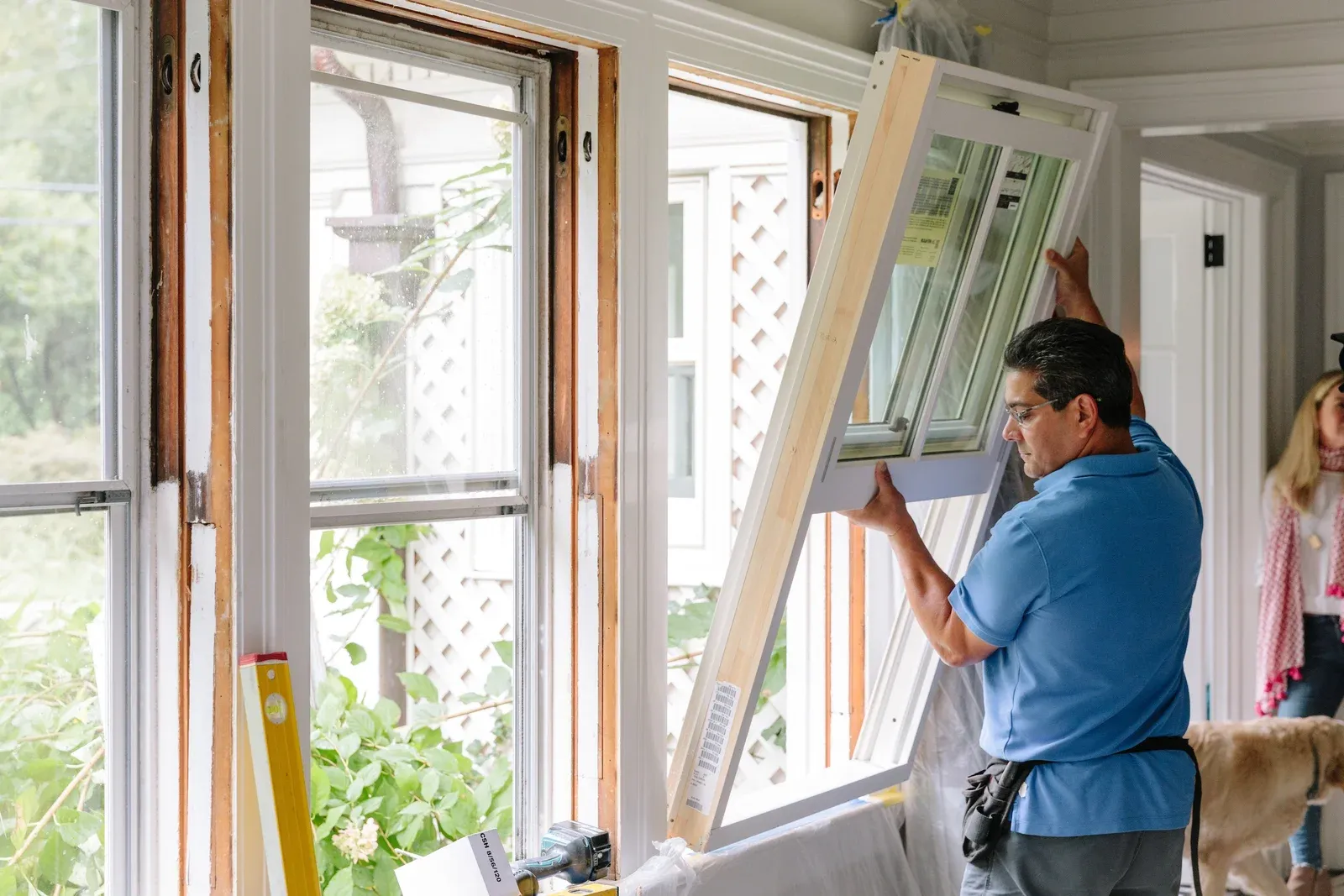
A single broken pane, worn weatherstripping or a broken lock can often be repaired. Replacement makes more sense when several of the signs above show up together, when frames are damaged or when the windows are single-pane.
BlueJay installs energy-efficient windows from top brands, with careful sealing, interior and exterior finishing and cleanup. Learn more about our window replacement service in Denver, or if you are updating several rooms, see our whole home remodeling options. Request a free in-home quote to get started.
Frequently Asked Questions
How long do windows last?
It depends on the material, the quality of the installation and exposure to sun and weather. When drafts, fogging, rot or operating problems start to appear, it is time to evaluate replacement.
Can foggy double-pane windows be fixed?
The fog means the seal has failed. In some cases the glass unit can be replaced, but if the frame is also worn, replacing the whole window is usually the better value.
Is it worth replacing windows in Denver?
For older single-pane or failing windows, yes. New insulated windows with low-E glass improve comfort, cut drafts and reduce UV damage from Denver’s strong sun.